
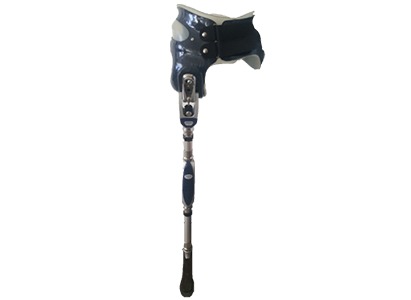
Prostheses for hip disarticulation are indicated for patients with hip amputation who have a very high activity level.
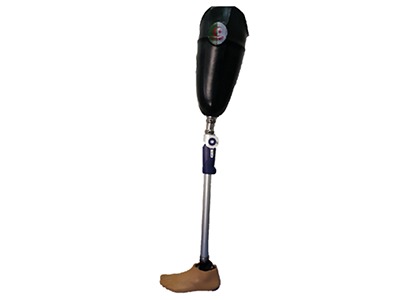
Designed for thigh amputations, featuring a socket that facilitates blood circulation and improves the mechanical function of the hip joint. It is suitable for individuals with high mobility, offering dynamic performance and comfort for both indoor and outdoor use.
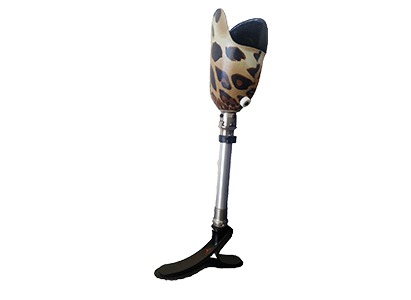
Indicated for below-knee amputations, ideal for highly active patients. Featuring a lightweight yet structurally resilient carbon fiber socket,, it allows easy movement indoors and outdoors, while enabling the user to navigate obstacles with ease.
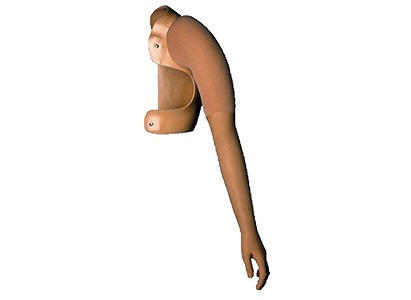
Lightweight and aesthetic prosthesis indicated for patients with a shoulder amputation. incorporating articulation at both the shoulder and elbow joints, it offers very limited but supported functionality.
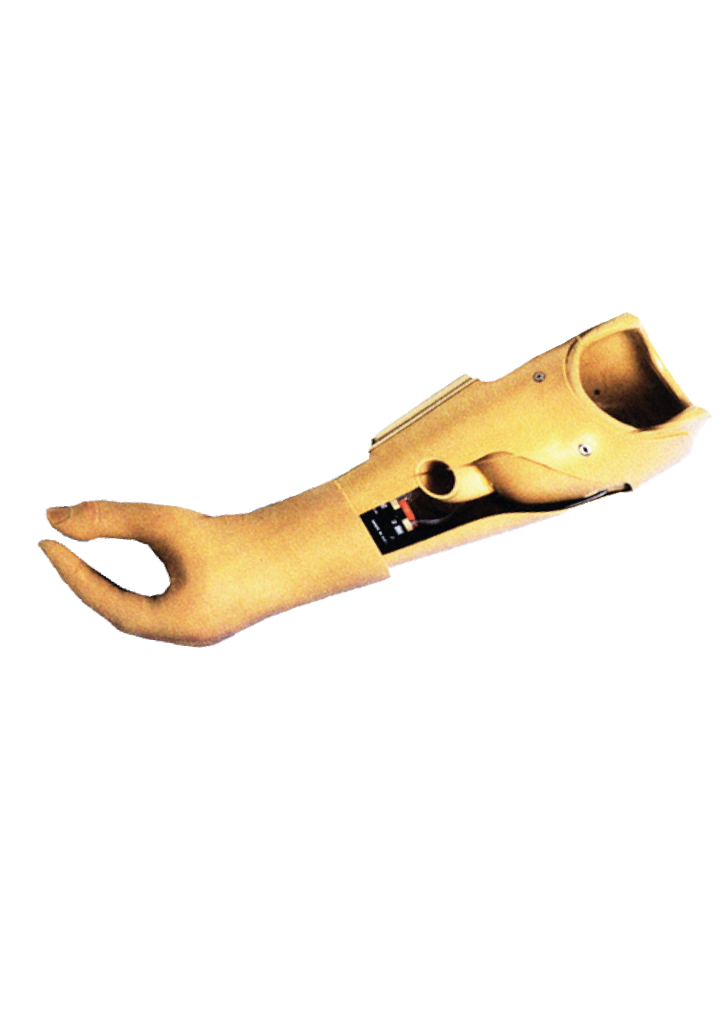
Indicated for patients with a forearm amputation of congenital or traumatic origin, with sufficient muscle potential for controlling the prehension organ.
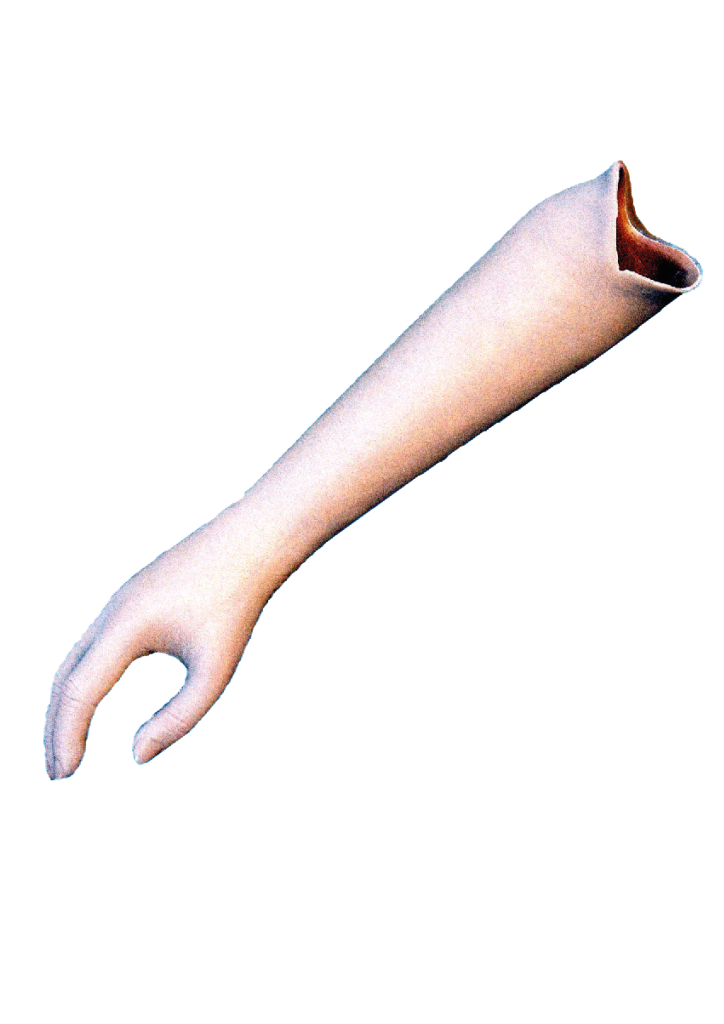
A lightweight and aesthetic prosthesis indicated for patients with forearm amputation, providing very limited functionality.
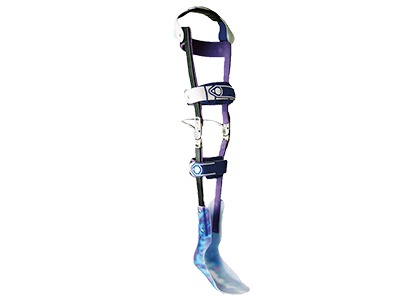
Indicated for lesions of the knee extensor mechanism, associated with an ankle deficit. The etiology of the lesion may be neurological, ligamentous, muscular or bone-related.
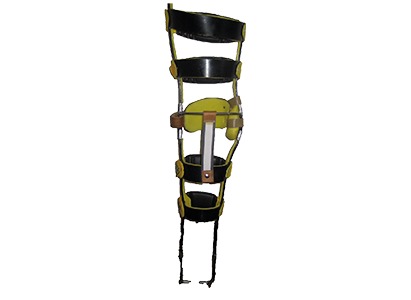
Designed to support, correct or immobilize a joint or bone. Used after an injury or surgery to promote healing, prevent undesirable movements, or correct deformities.
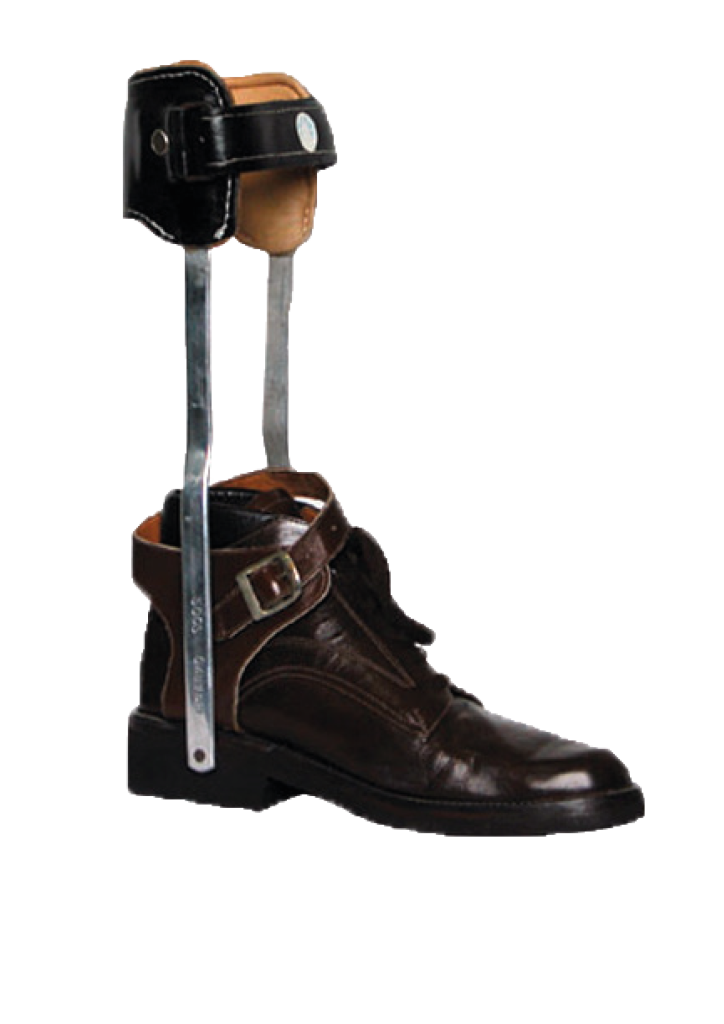
Designed to support the leg while allowing a controlled degree of movement at the level of the joints, generally the knee or ankle.
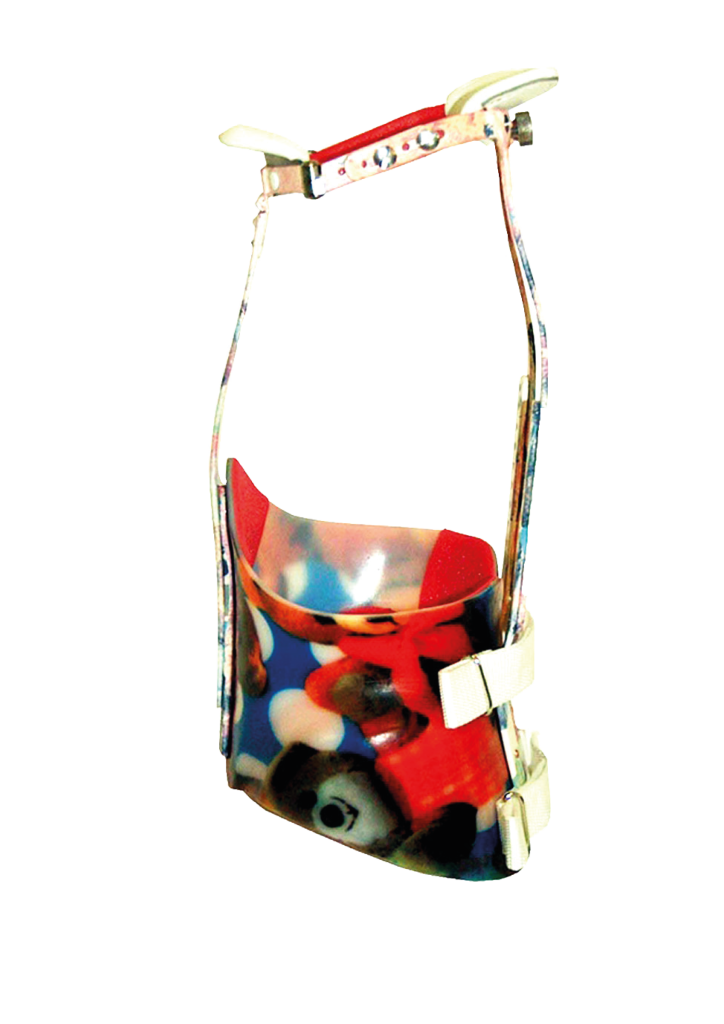
Intended for infantile or juvenile scoliosis, suitable for long curves below 40°. Easily adjustable and adaptable to accommodate the child's growth.
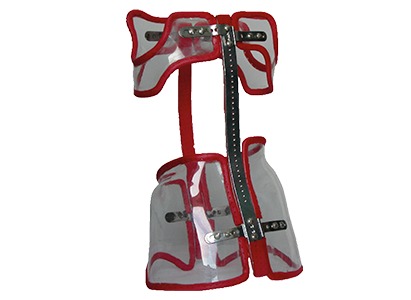
For severe scoliosis (30° to 50°) in post-growth patients. This corset supports and improves the results of plaster correction. Must be worn almost continuously (23h/24) and is complementary to plaster treatment.
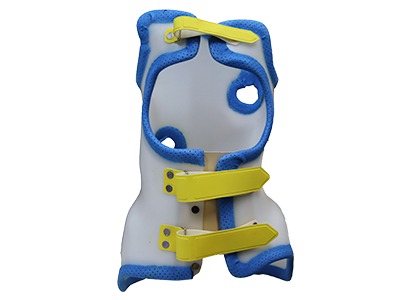
Intended for moderate to severe scoliosis (20° to 50°) in post-growth (skeletally mature) patients. It aims to stabilize and improve vertebral column deformation, with a recommended wearing time of 16 to 23 hours per day.
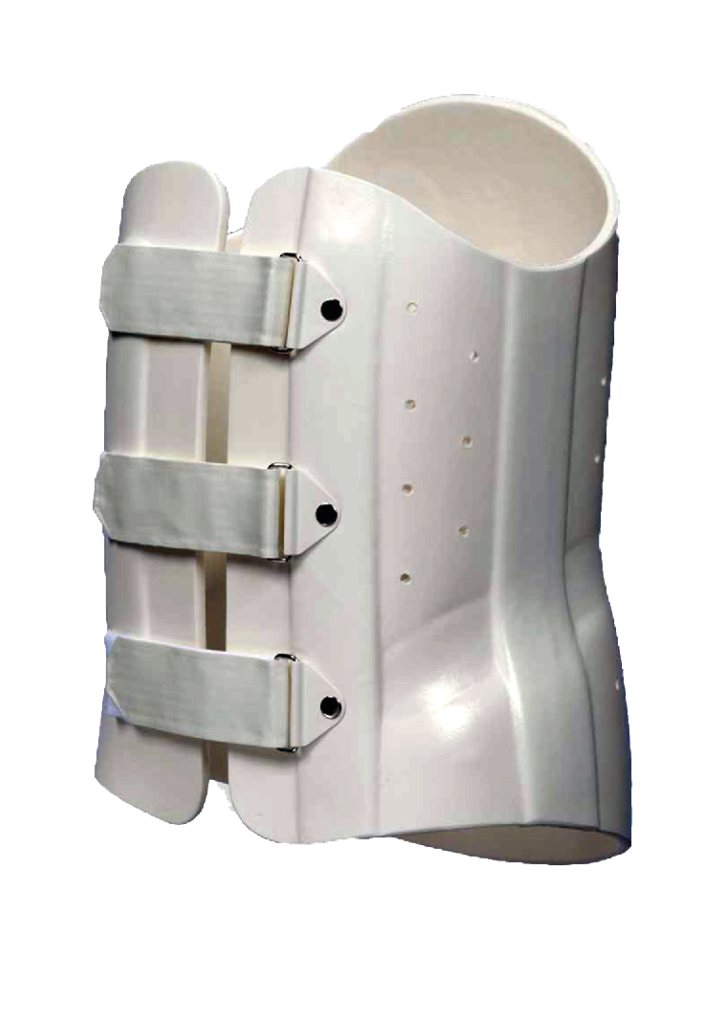
Used for moderate to severe scoliosis (20° to 45°) in growing patients. It stabilizes the curvature of the vertebral column and is generally worn 16 to 23 hours per day.
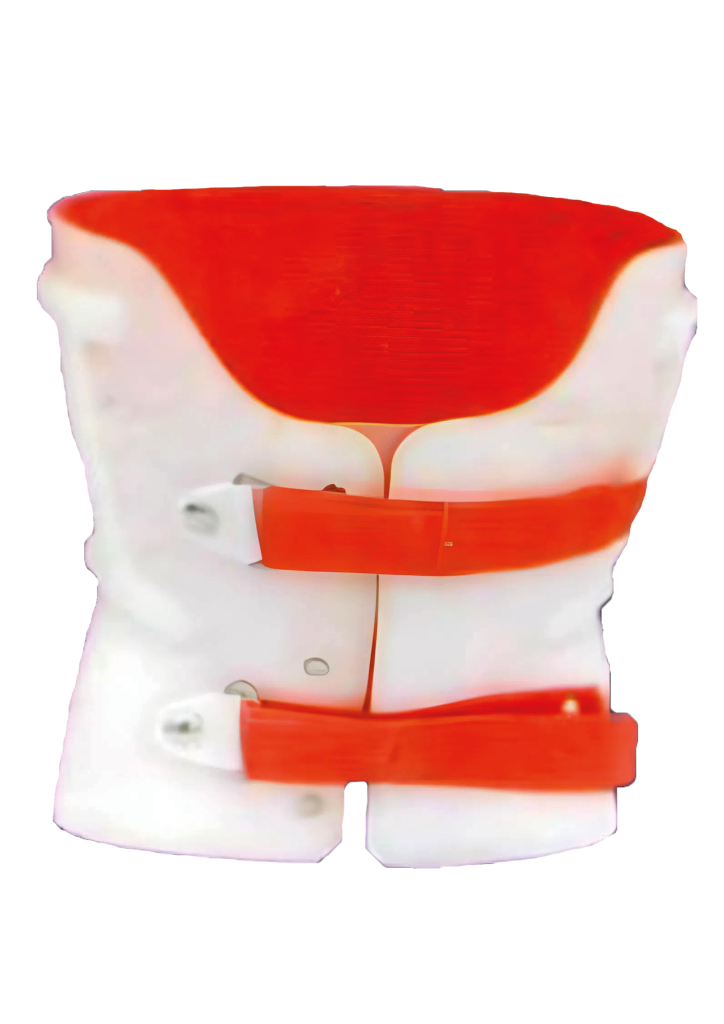
Offers general support to the vertebral column and trunk muscles, relieving pain and stabilizing posture. Its usage varies according to the patient's needs, often ranging from a few hours to the entire day.
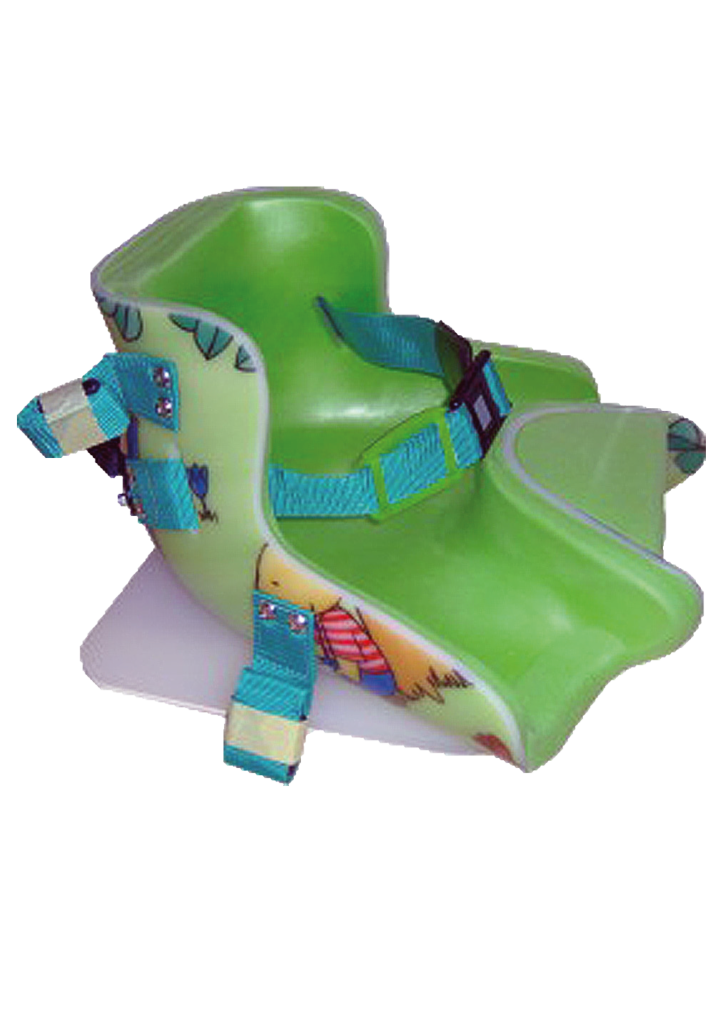
Designed to provide lumbar support and stabilize posture when sitting. Generally used to relieve pain and improve posture during prolonged periods of sitting.
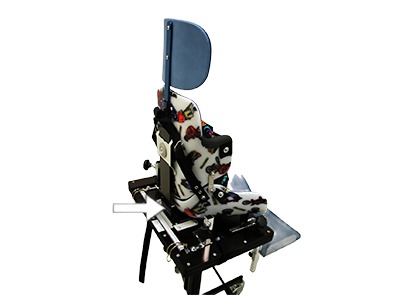
Allows controlled mobility of the trunk relative to the pelvis while ensuring the orthopedic seat. Possibility of adjusting the range of extension movements and resistance.
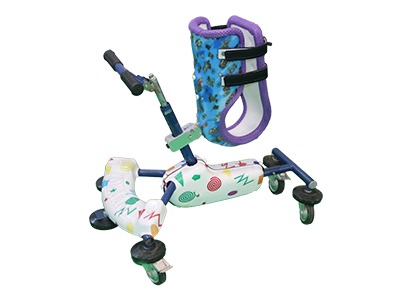
– Provoquer l’apprentissage des fonctions motrices non encore acquise (technique de sollicitation et de rééducation). – prévenir et corriger les conséquences fonctionnelles et les déformations orthopédiques du déséquilibre musculaire. – favoriser l’éveil de l’enfant. – minéralisation du squelette, croissance osseuse.
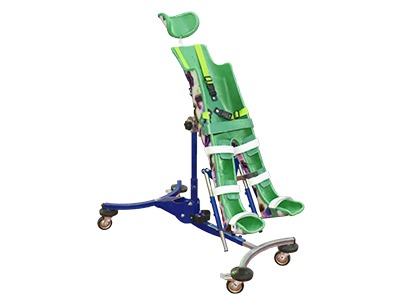
Recommended for patients with severe postural insufficiency of neurological, muscular or genetic origin.
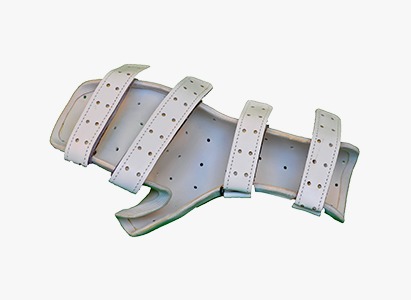
This postural splint is used to correct abnormal postures (vicious attitudes) of rheumatic or neuromuscular origin.
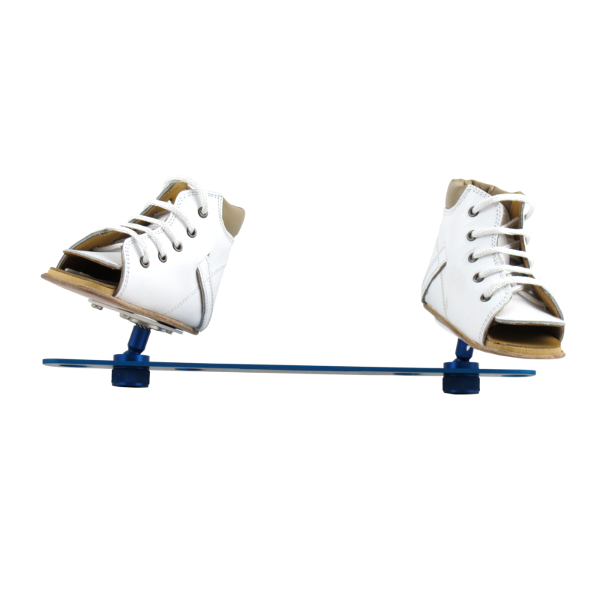
Used to treat clubfoot in infants, keeping the feet in an abduction position using two shoes attached to a bar.
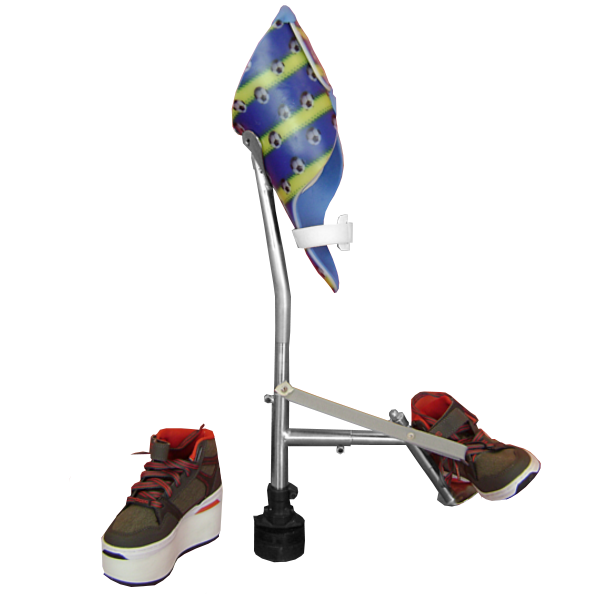
Used to correct and stabilize the vertebral column in children with scoliosis. Exerts targeted pressure on certain areas and is often worn during growth to limit progression of deformity
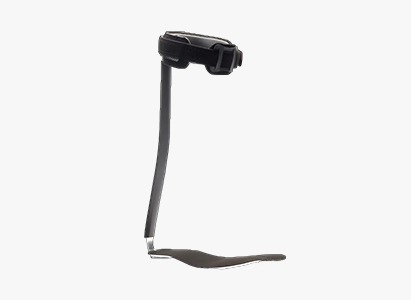
Designed to support foot drop, helping to raise the foot during walking. Allows ankle stabilization and facilitates walking by preventing the foot from dragging.
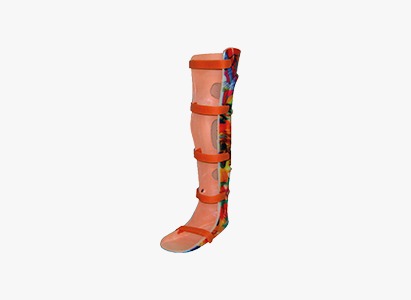
Used to immobilize and maintain a joint in a correct position during sleep. Helps prevent contractures and promotes healing after an injury or surgical intervention.
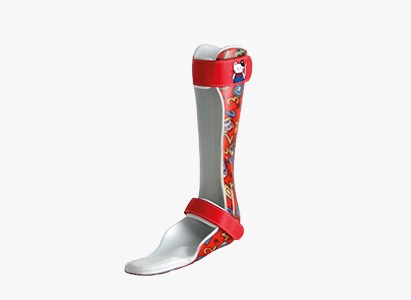
This orthosis is used to correct or stabilize foot drop, valgus foot, or talus foot (associated with cerebral palsy, hemiplegia, paralysis), along with other ankle malformations.
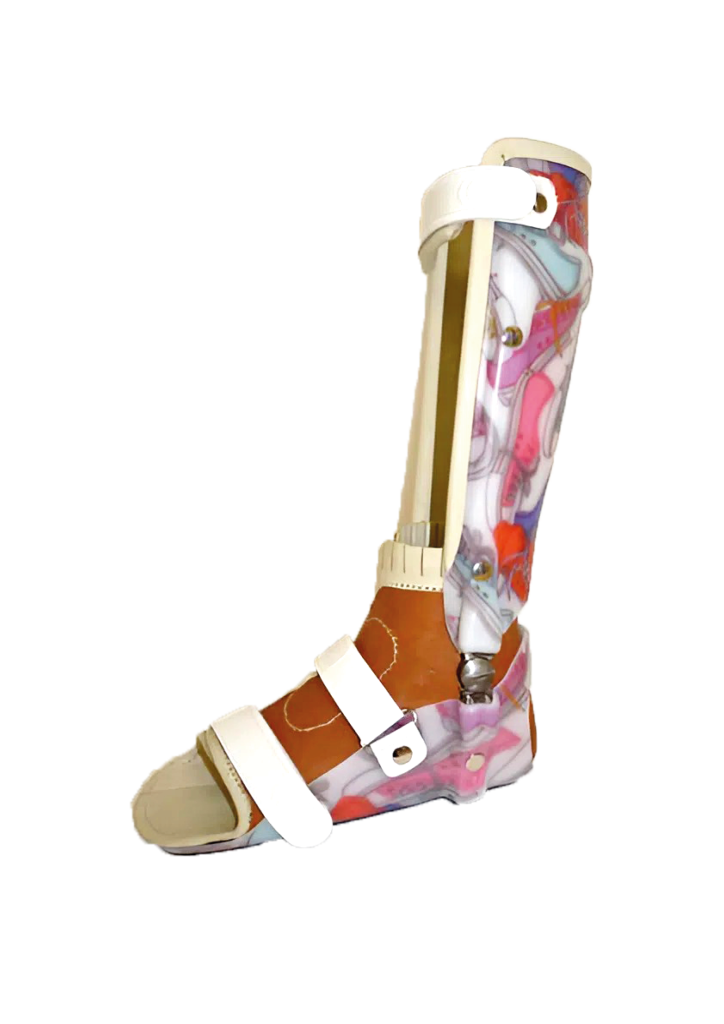
This orthosis corrects or stabilizes an equinovarus, valgus, or talus foot (in cases of cerebral palsy [IMOC], hemiplegia, SPE paralysis…)
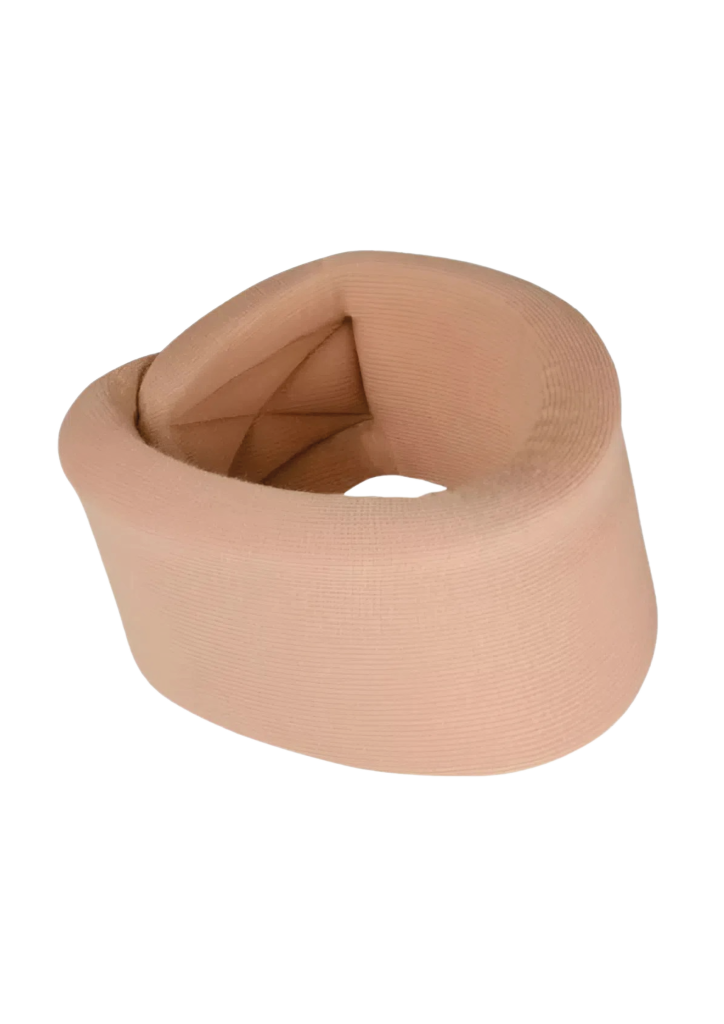
Intended to support and immobilize the cervical region following trauma, sprain, or surgical intervention, this orthosis assists in stabilizing the cervical vertebrae and alleviating pain by restricting cervical range of motion.
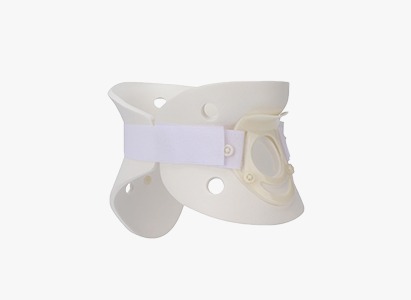
Used to immobilize and support the neck after trauma, cervical sprain or surgery. Helps stabilize the cervical vertebrae, reducing movements and relieving pain.
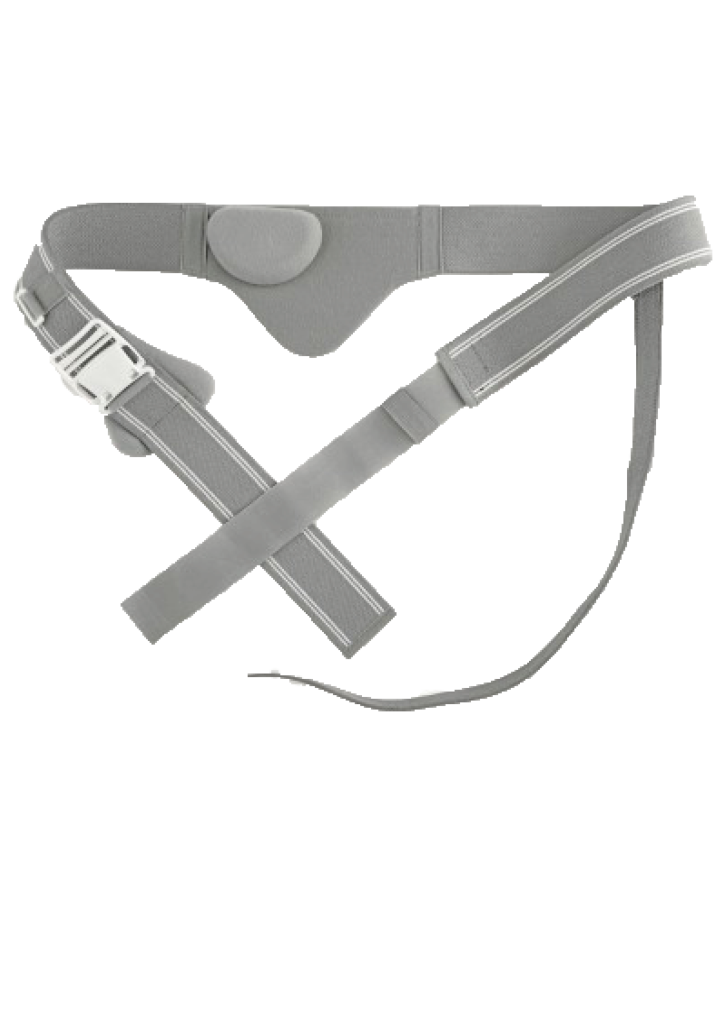
Provides support and stabilization to the herniated umbilical area, aiding in symptom reduction and tissue retention.
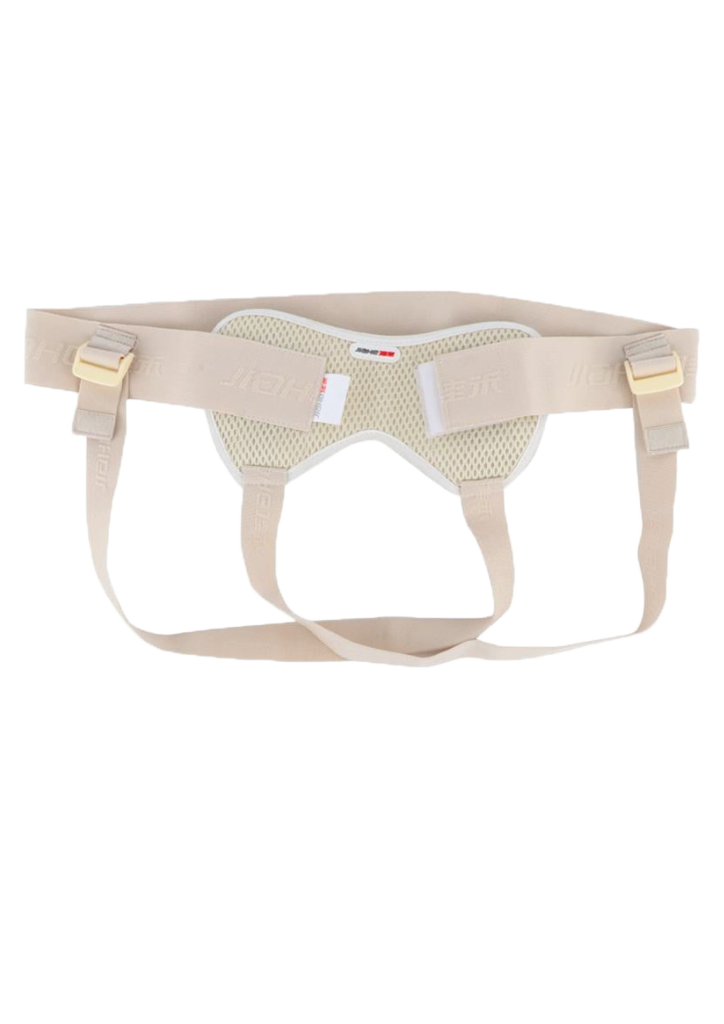
Supports the groin area affected by a hernia. Helps maintain tissues in place and relieve associated symptoms.
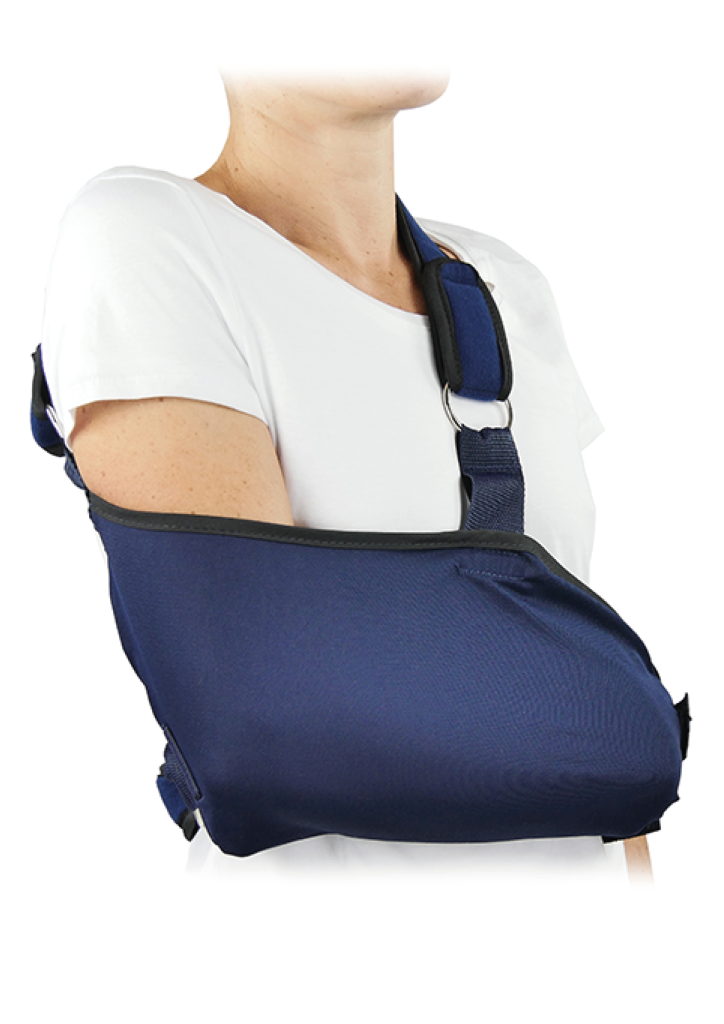
Immobilizes and supports the arm or shoulder after an injury or surgery, limiting movements to reduce pain.
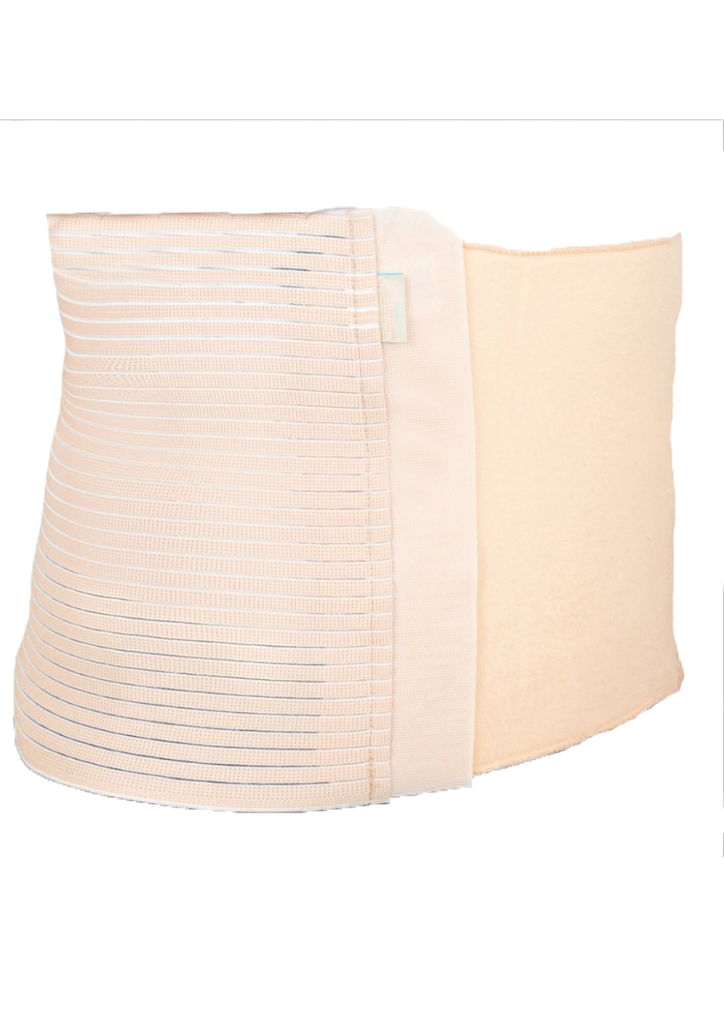
Used to support and maintain the abdominal area during sleep. Helps prevent contractures and promotes healing after an injury or surgical intervention.
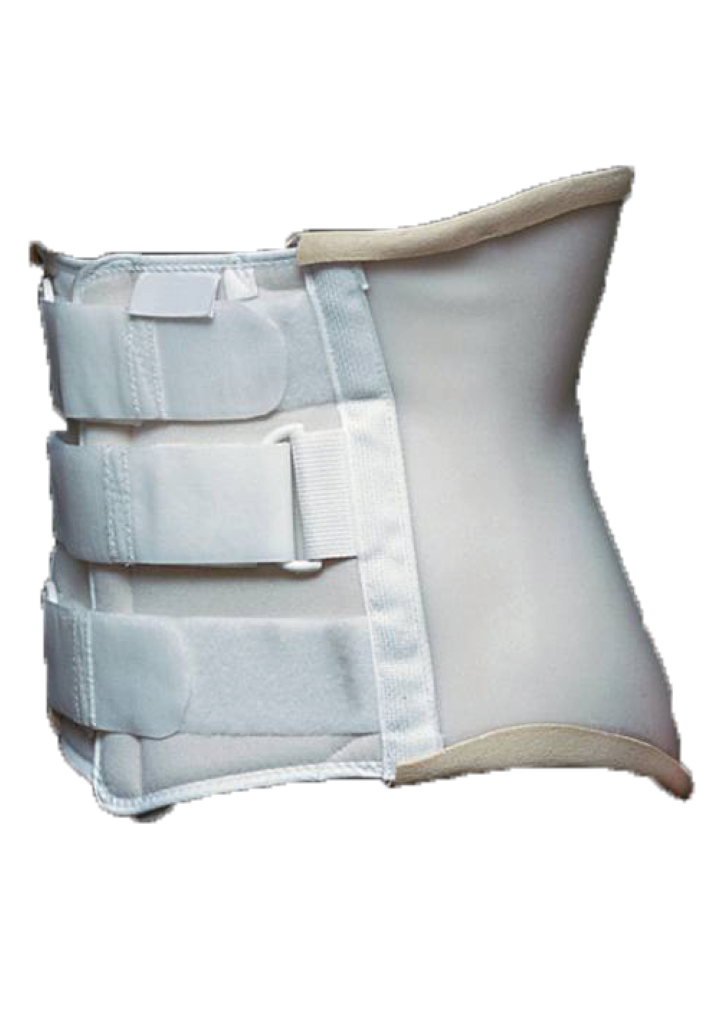
Cette ceinture est utilisée pour fournir un soutien et une stabilité à la région inférieure du dos, en particulier en cas de douleurs dorsales ou de blessures. Il aide à réduire la pression sur la colonne vertébrale et à améliorer la posture, ce qui contribue à soulager la douleur et à favoriser la guérison pendant …
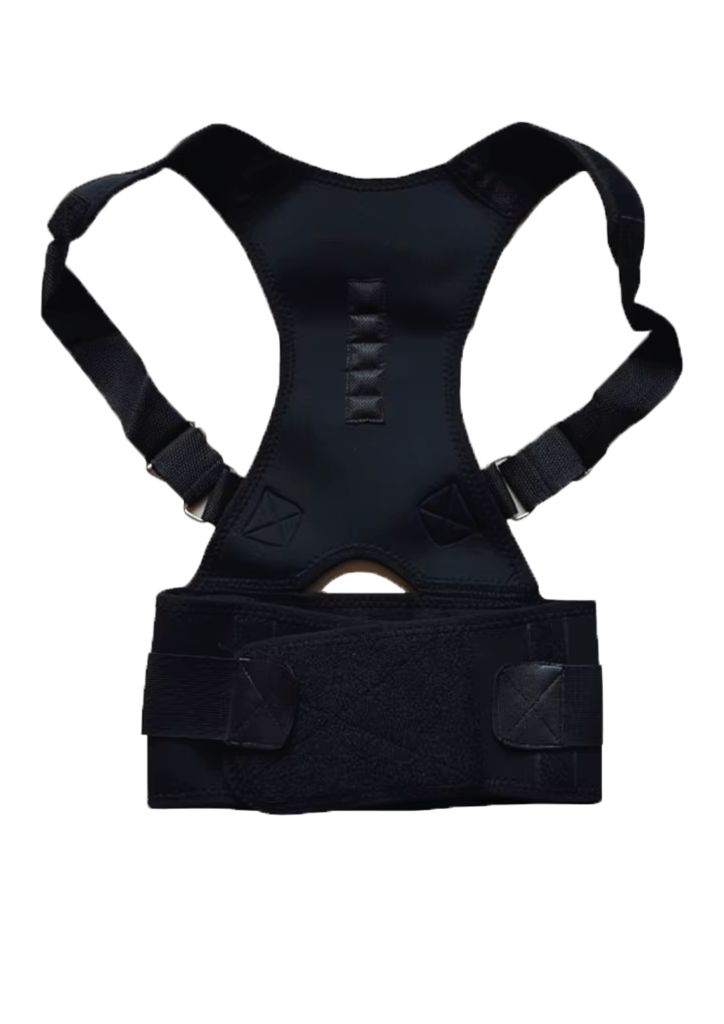
The back posture corrector is used to improve spinal alignment and correct poor posture. It helps support the back and relieve pain, and enhances physical balance by reducing abnormal spinal curvatures during daily activities or prolonged sitting.
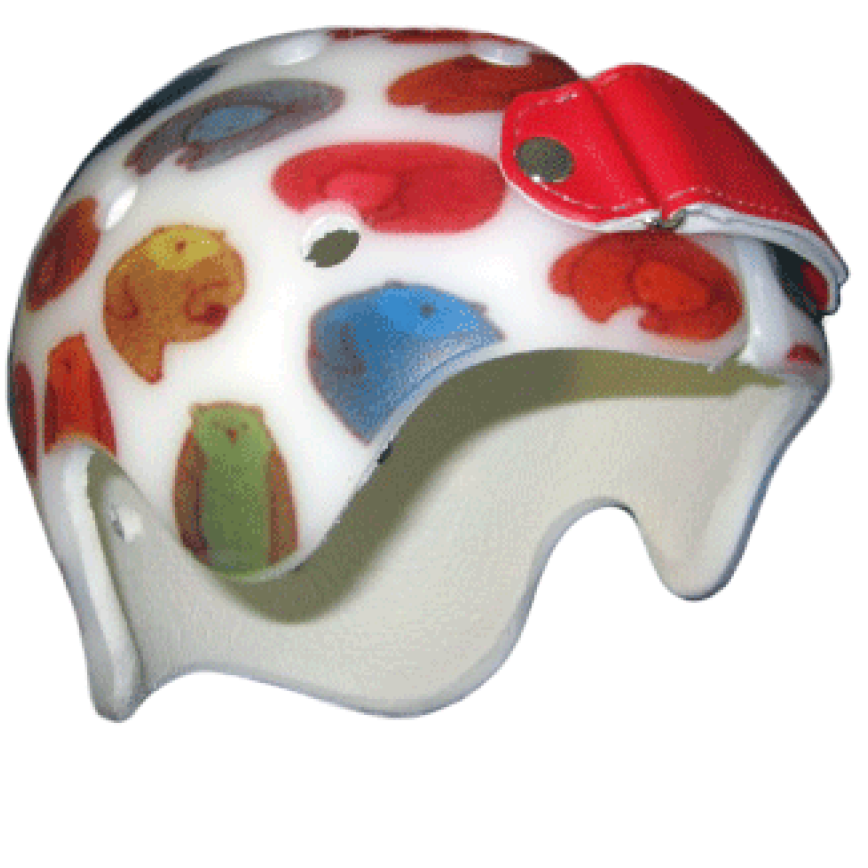
Le casque en polyéthylène offre une protection renforcée avec un intérieur matière cellulaire pour absorber les chocs et garnissage peau le confort. Ce casque est utilisé pour protéger la tête des chocs et impacts tout en assurant un confort optimal.
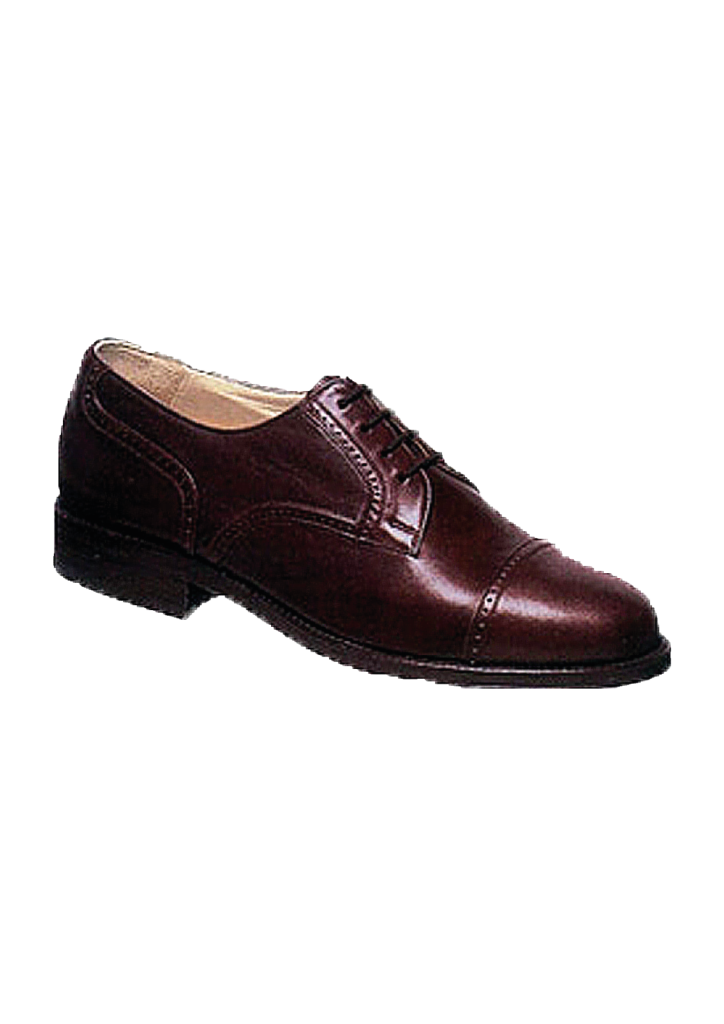
Used to correct foot deformities such as flat foot or clubfoot, and to treat foot drop, ankle instability and complex misalignments.
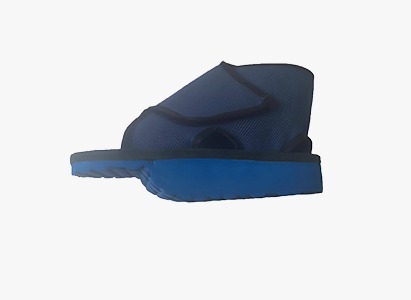
Designed to relieve the forefoot by avoiding any load-bearing. Indicated after trauma or surgery, during the postoperative period, as well as in cases of ulcers, inflammations, infections, and pains affecting the foot.
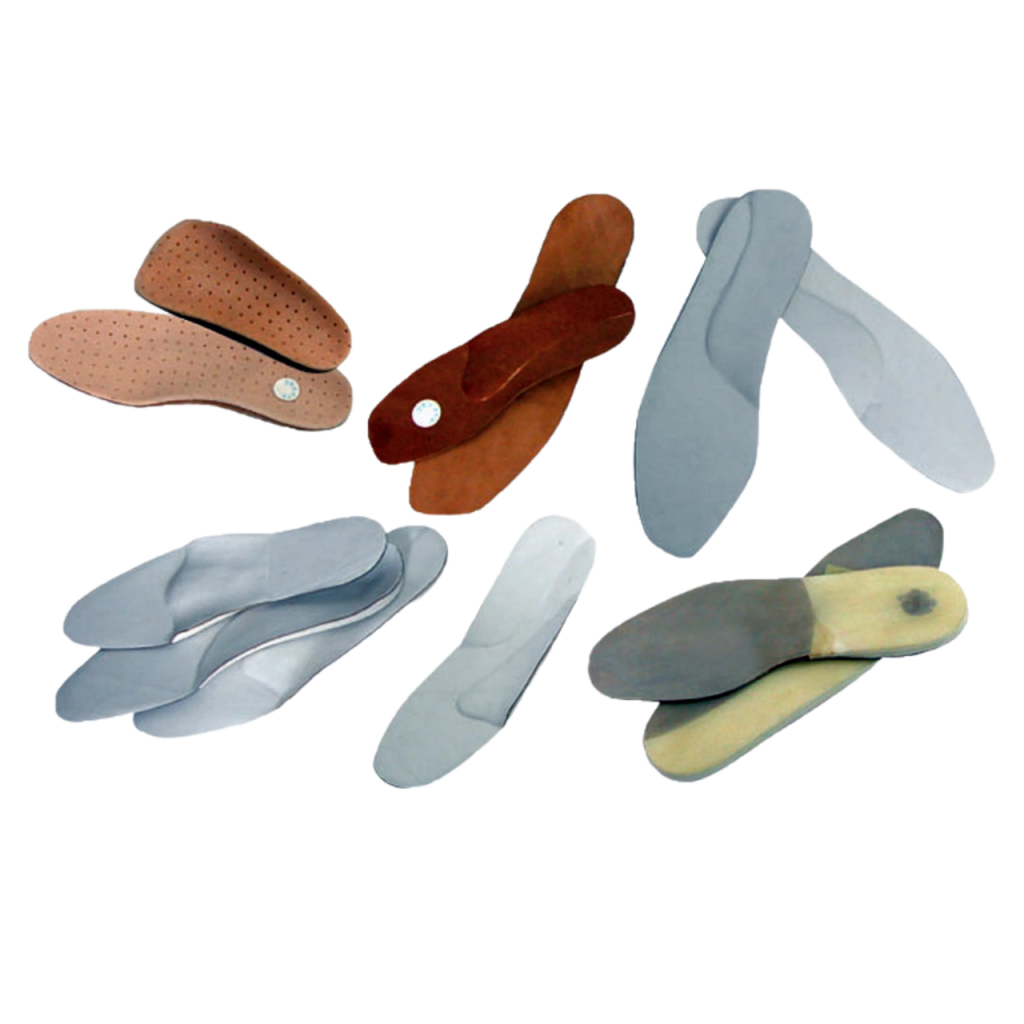
Utilisée pour corriger des pathologies du pied telles que le plat valgus, bot varus équin et varus. Elle offre un soutien adapté améliorer l’alignement la fonction pied.